FACETS | OLD-WORLD, NEW LIFE
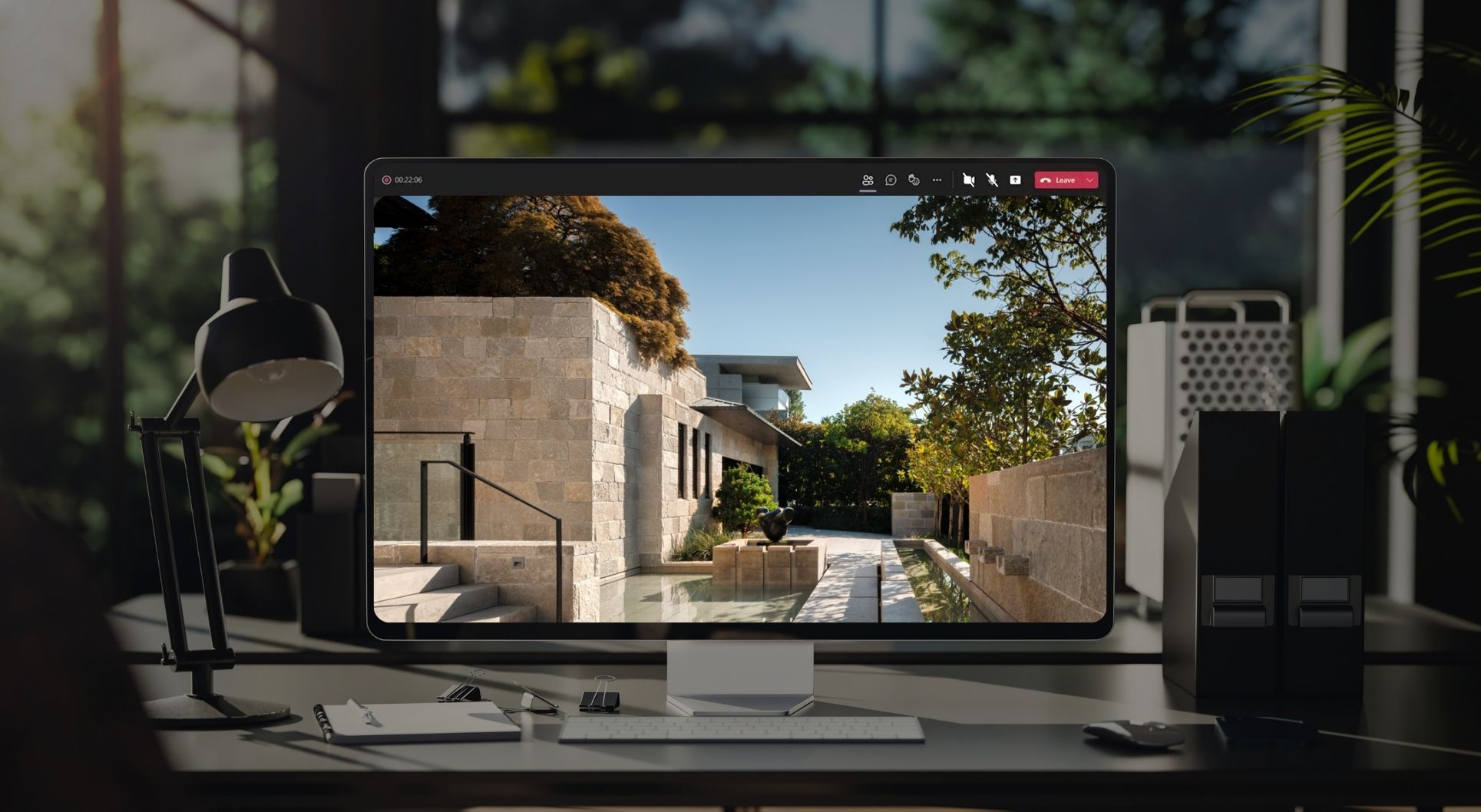
Designer Galey Alix wanted a showstopping kitchen, and she got it, courtesy of a stone wall finished in German schmear, a masonry technique where a thin coat of mortar is applied to stone and then partially wiped off, creating an old-world look. The kitchen, says Alix, is her favorite room in the house. She explains, “Stone was the obvious choice here because I really wanted something natural, raw, and organic to complement my cabinetry and natural cement sink. I also love the texture and how the ridges catch the soft lighting at night. It feels both elegant and elevated without being pretentious.” She chose Buechel’s Oiled Nubuck Siena for the project for several reasons, the main one being trust. “I was searching for stone walls and natural stone material online, and everything I found not only looked cheap, but it was all artificial. Truly, the only stone I found where I loved the look and also trusted it was real stone was from Buechel. I felt even better when I found out it was a family-owned business.” The designer, who is known for her love of texture and natural elements, says, “I can’t think of a more textured or natural material than real stone, which is why discovering Buechel and their stone options was a dream for me.

RECALLING HISTORY
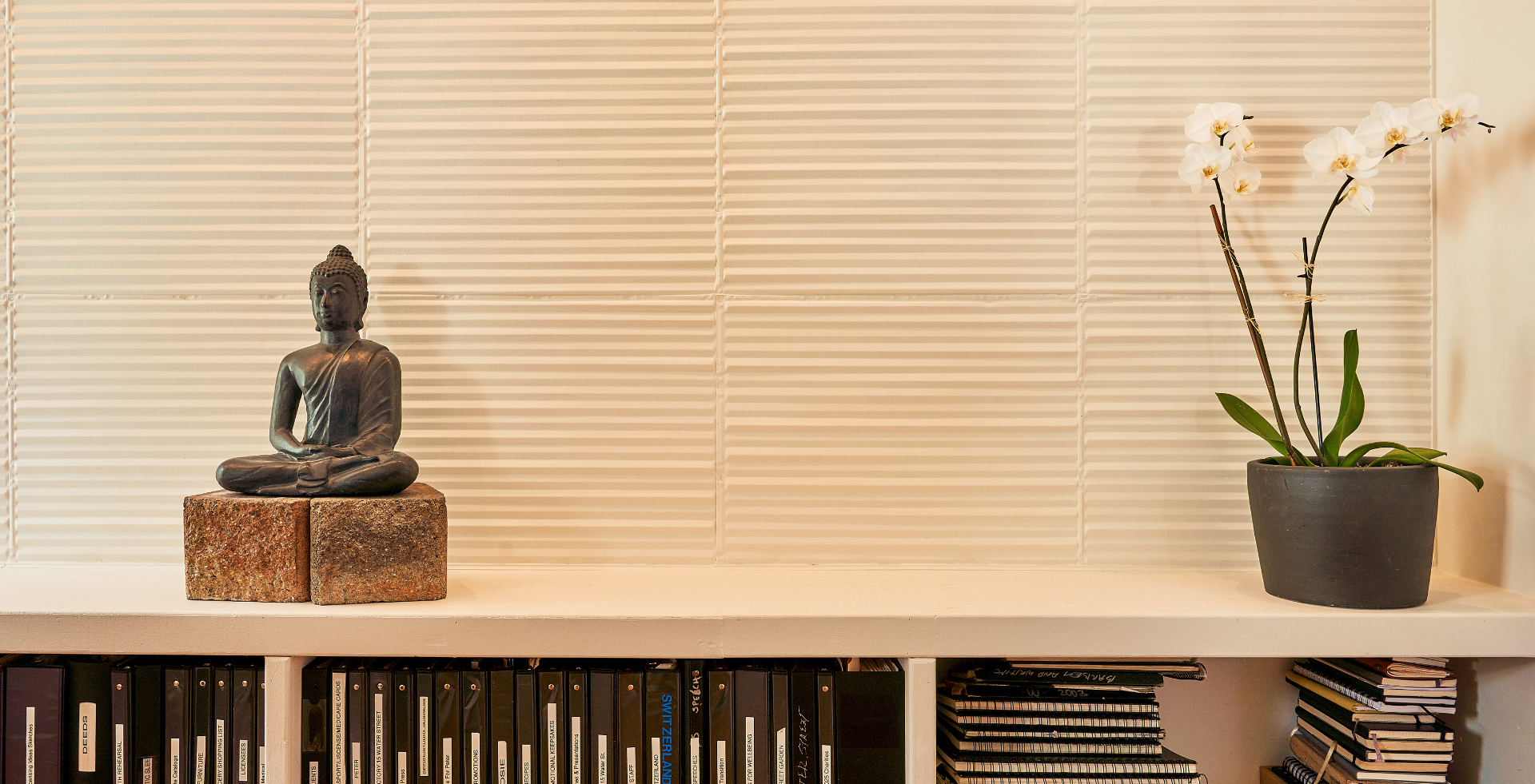
In the late 19th century, decorative plasterwork was something that only the upper classes had in their homes. But in the 1880s, tin ceilings rose to prominence as an affordable way to decorate, and insulate, urban dwellings and commercial spaces. Made originally from steel and later tin, the panels were stamped with classical architectural patterns and could be easily installed anywhere. Waves of new immigrants in cities like New York, Chicago, and Detroit embraced them, and soon they were ubiquitous, from grand hotels to small tenement apartments. Designer Clodagh remembers tin ceilings in the pubs of her native Ireland, and in this new collaboration with American Tin Ceilings, she has created the Tara collection, shown here on the walls of her office. The patterns are evocative of the terraced hills of the ancient high kings of Tara in Ireland, and they are modern while still evoking a bygone era. The panels can be painted, patinated, or used in their natural state, on walls and ceilings alike.
FASHION FORWARD
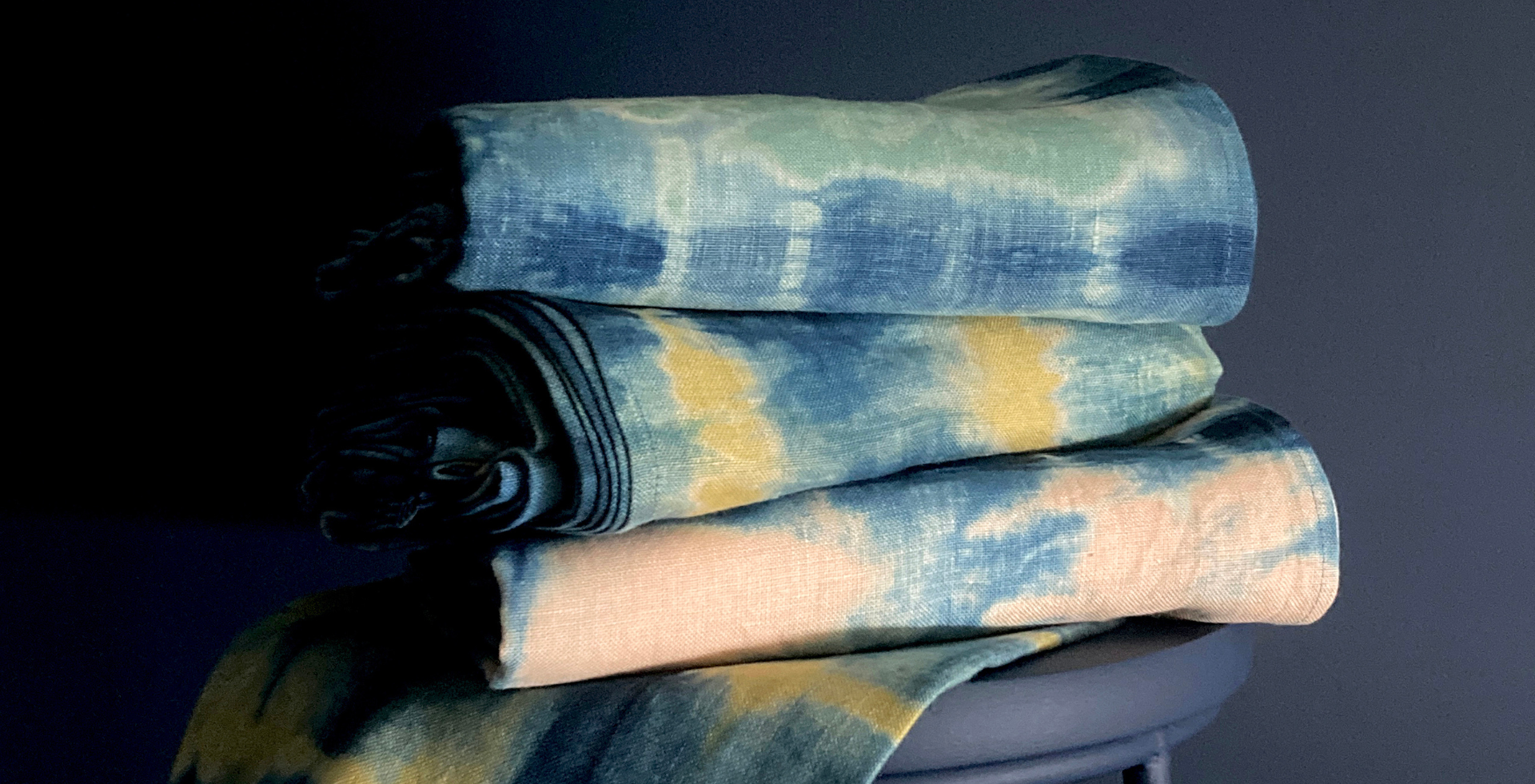
Jacqueline Rousseau launched her line of hand-dyed pillows, table linens, and throws after more than a decade designing womenswear in London and New York. Her inspiration comes from dressmaking fabrics, vintage paint charts, and cloud patterns. Each piece is custom-produced in small batches, and all are locally produced. The Rousseau design philosophy is to develop a collection that evolves rather than starting with a clean slate each season. The micro-batch textiles are designed to last a lifetime, and new additions to the line always work with existing pieces. These hand-dyed table runners come in a range of colors with indigo as the base and accent colors such as rose and gold.
INSIDE THE HILL
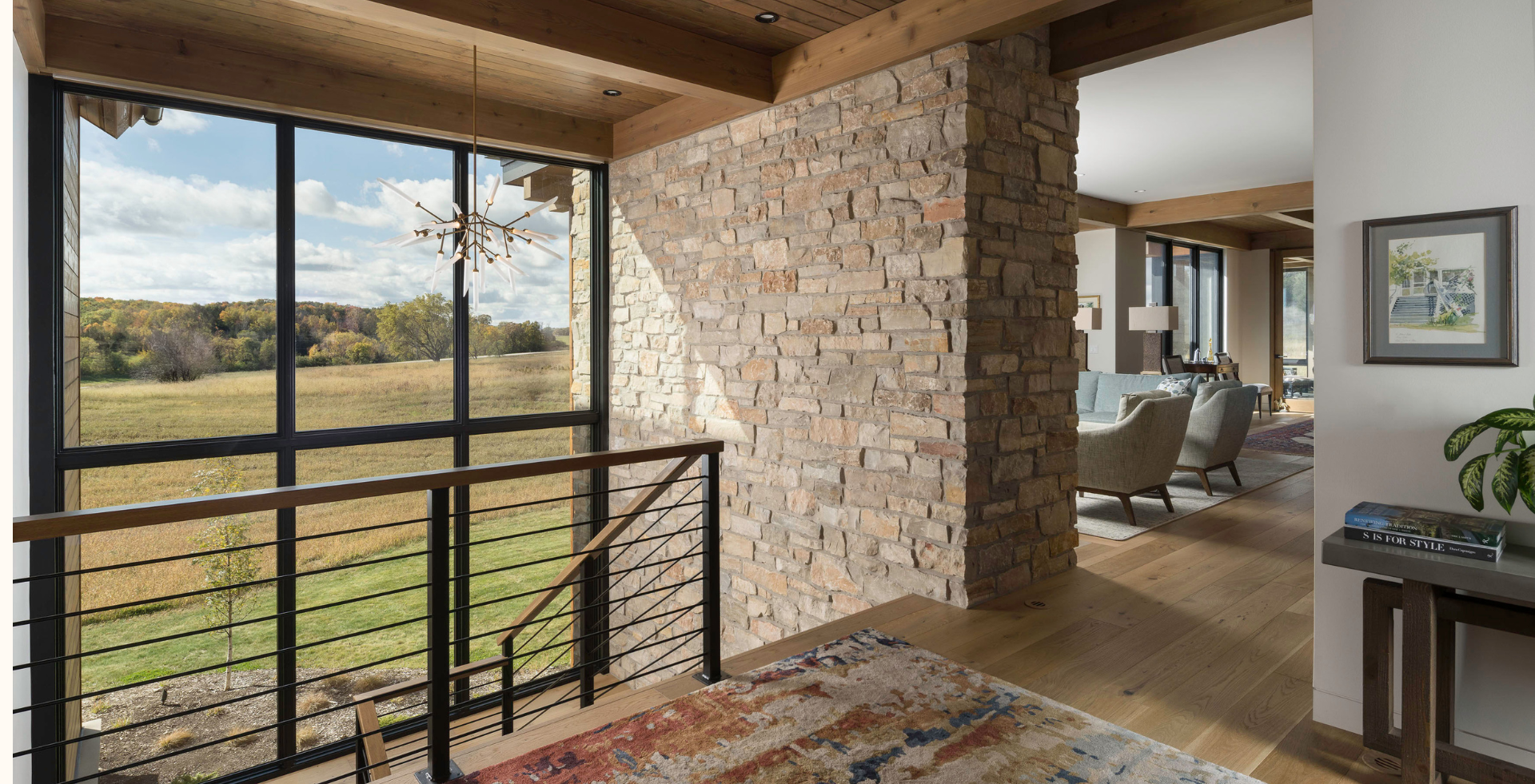
Drawing inspiration from the rolling hills in Elkhart Lake, Wisconsin, Grasshopper Hill, designed and built by Distinctive Design Studio, embraces a mountain-modern aesthetic adapted for the Midwest. Its clean architecture is softened by authentic natural materials. The team utilized stone to enhance this vision, anchoring the design while complementing the surrounding fields and wooded landscape. They selected Buechel Stone’s Chilton Rustic No Reds from their Ashlar collection to harmonize with the interior finishes and highlight the connection to the outdoors. In the main entry sequence, stone was chosen to anchor the modern architecture in the Midwestern landscape. The natural stone wall acts as a natural divider between the expansive windows and the wood ceiling, adding strength, warmth, and texture while directing guests into the open living room beyond. The Chilton Rustic No Reds became a defining feature, bridging exterior and interior in a way that feels cohesive, bold, and enduring.
JAPANESE STYLE
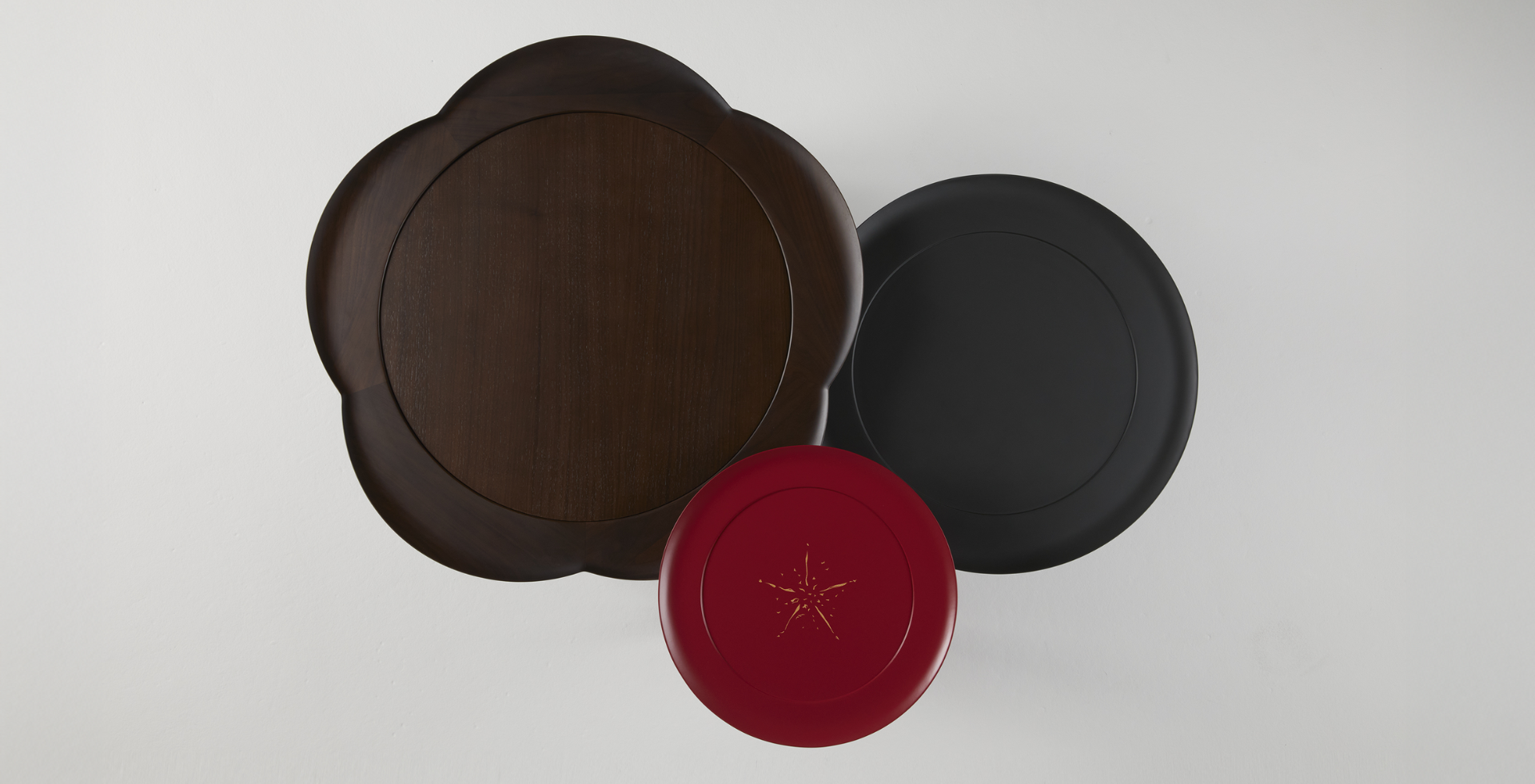
Area is a Japanese furniture brand founded by Go Noda in 2003. Noda was born in Chigasaki, Japan, and after graduating from Tokai University, he studied architecture and furniture design. After gaining popularity in Japan, he expanded his brand and opened a showroom in Saint-Germain-des-Prés, Paris, and eventually New York City, in 2023. Using his unique approach to Japanese design and incorporating influences such as the Arts and Crafts movement and the work of Frank Lloyd Wright, he has created a design portfolio of already iconic artisanal furnishings for the home. The Umebon cocktail table shown here has a geometric design inspired by plum blossoms in late winter, demonstrating the abundance of life and the spirit of renewal.
A DOSE OF COLOR
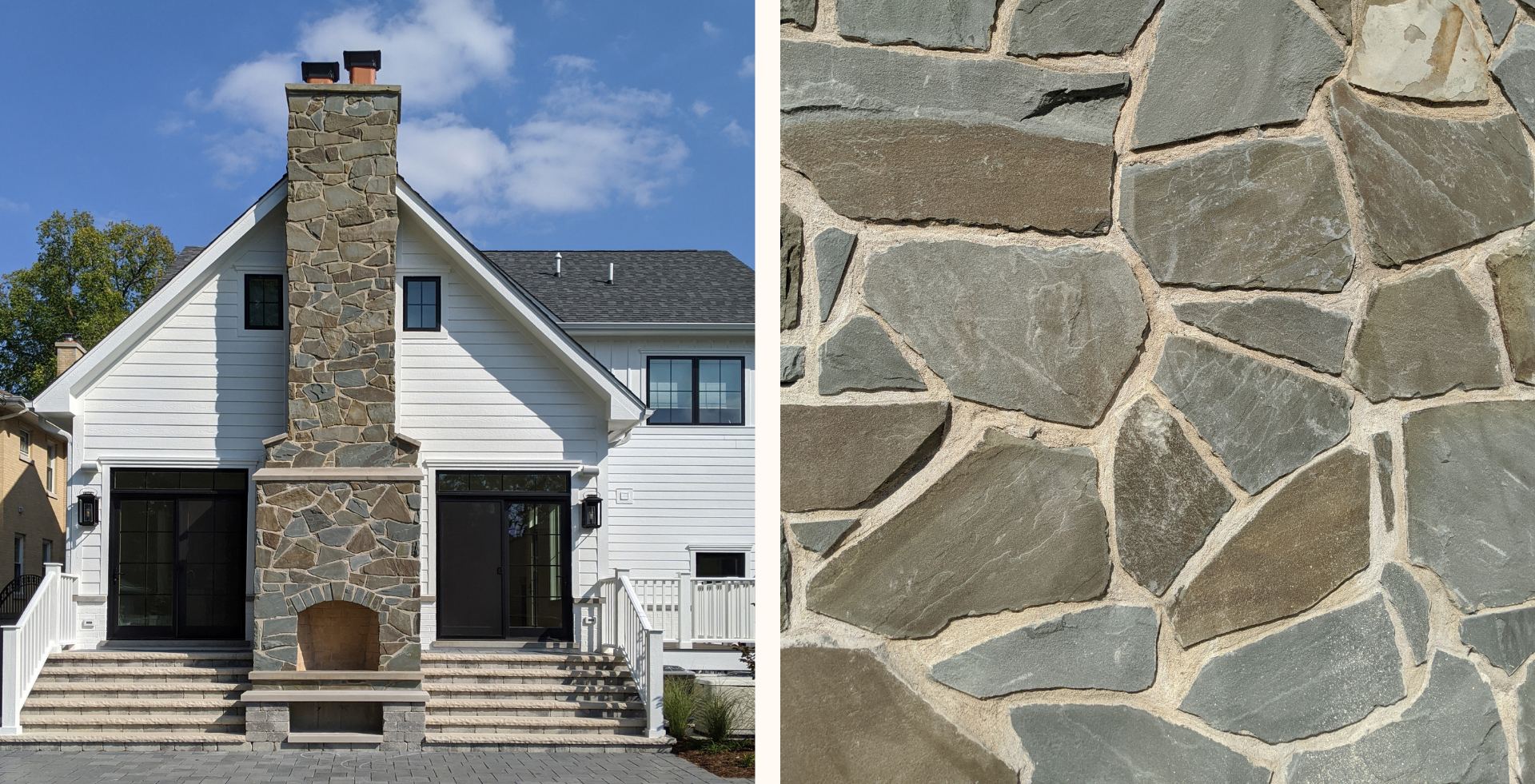
For a Modern Craftsman-style home in Park Ridge, Illinois, Mandy Madsen of Madsen Home & Garden was working with a predetermined black and white exterior. To counteract the modern scheme, she introduced color and historically influenced exterior design elements like natural stone on the fireplace, bluestone and limestone pavers, and traditionally inspired lighting and decorative details to give the home a vintage feel. Madsen shares, “Because of the modern Craftsman design of the home, color is called for on the exterior, without a doubt. We wanted to add an eye-catching stone that was not overly used on new builds, one that has an architecturally historic reference. The stone would serve as the centerpiece for the back of this home, given the fireplace placement, so we wanted it to be as interesting and artistic as possible. Buechel Stone’s Whispering Pines Fieldstone was our top pick for this application. Pairing it with a black and white exterior is a perfect example of our style. We love to create strategic risks that really pay off.
GEOMETRY UNDERFOOT
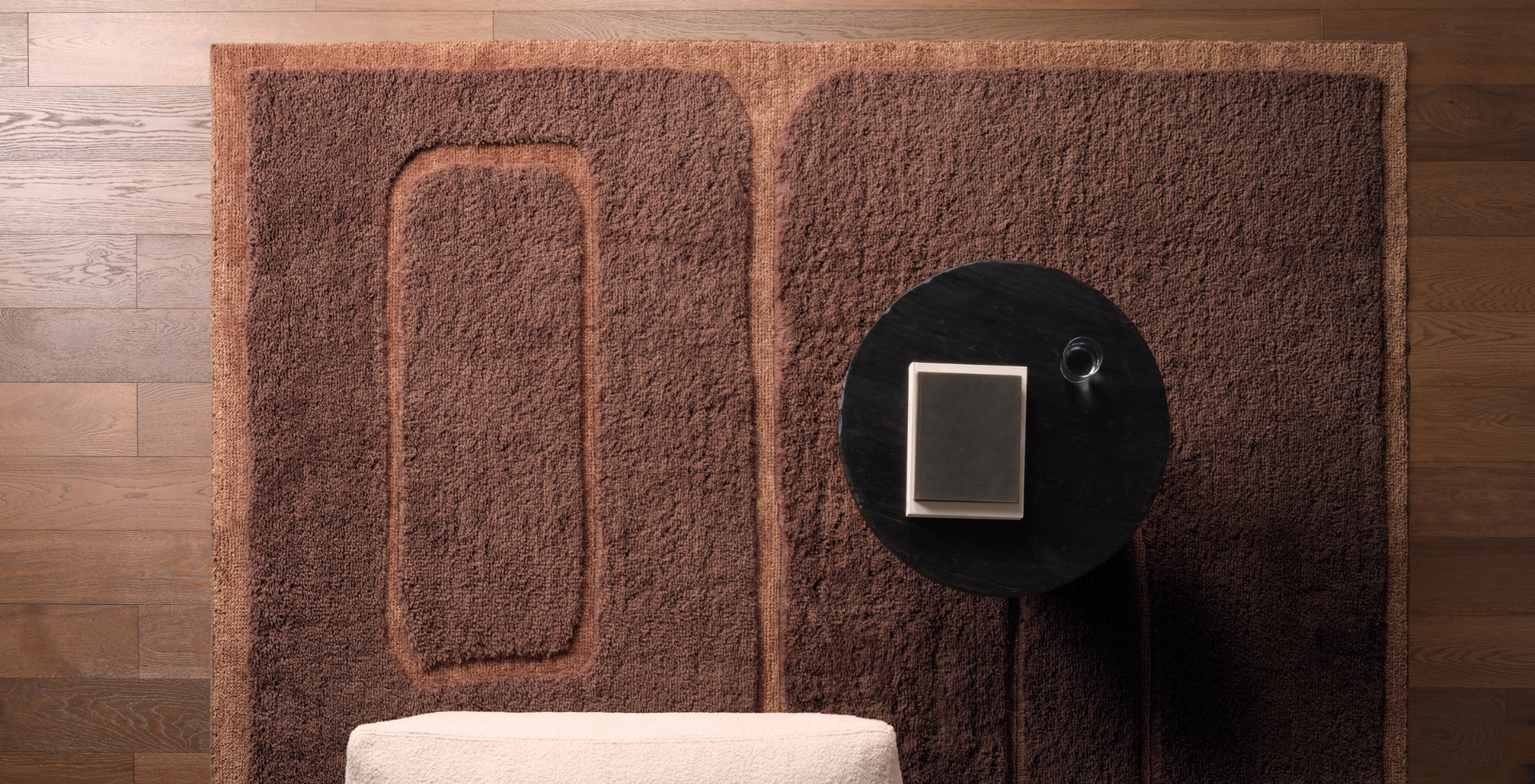
Jaipur Living’s latest collaboration is with interior designer Bradley Odom, founder of Atlanta-based Dixon Rye. The new collection includes six handmade rugs in two patterns, Avis and Solum. True to Bradley’s design philosophy of finding beauty in contrasts, the collection reflects his approach to “conceptual livability”—design that tells a story through craftsmanship while feeling both soulful and effortlessly modern. Crafted entirely from wool, each piece aligns with Jaipur Living’s commitment to quality, timeless design, and artisanry. Avis features a delicate, abstracted avian motif in nature-inspired tones, while Solum, shown here, explores grounding geometry with earthy palettes. Both designs showcase thoughtful textural contrasts and are designed to patina beautifully with time—meant to be lived with rather than just admired.
TIMELESS WALLS
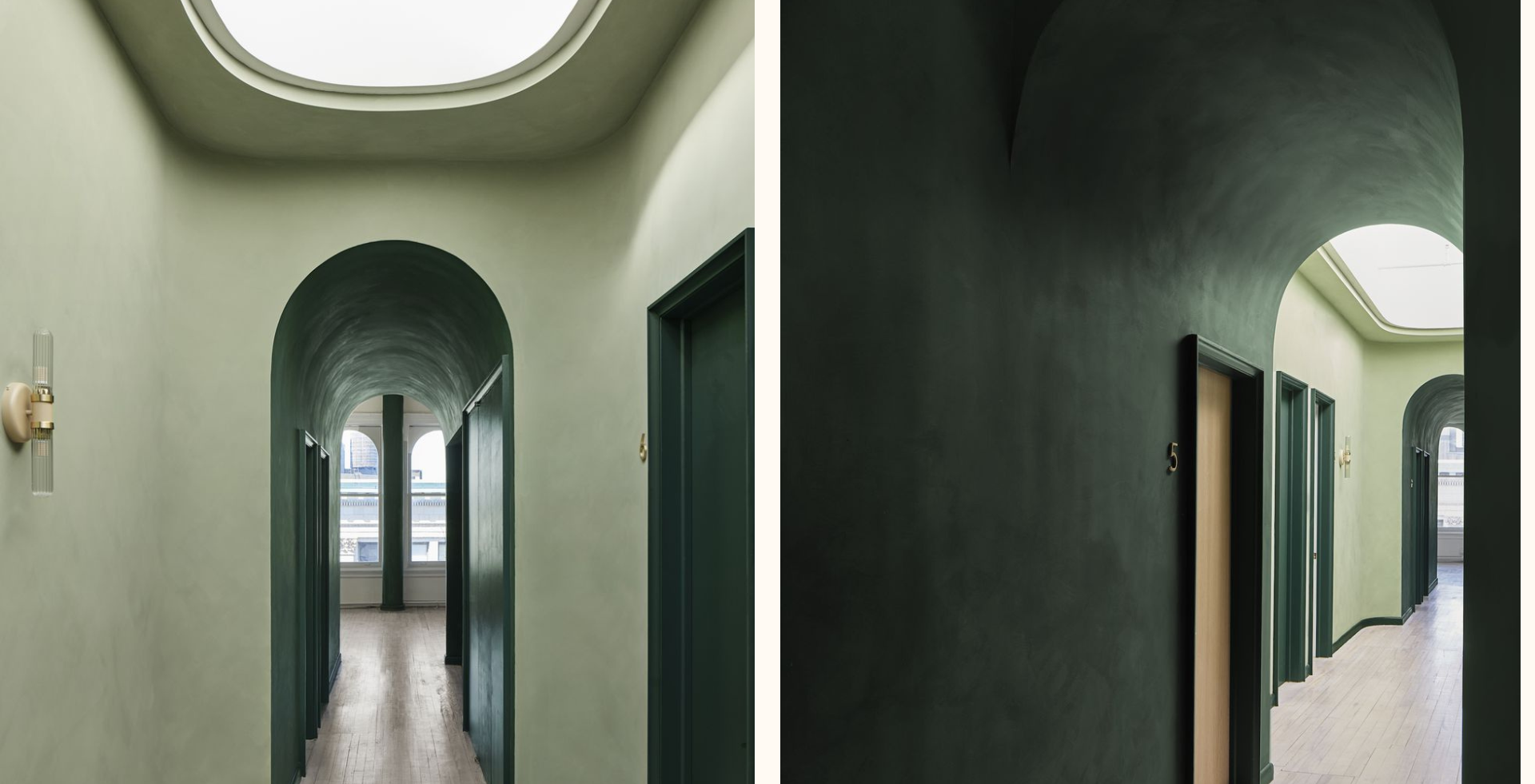
Color Atelier’s Limewash paint has a matte, velvety finish and softly textured appearance, and a timeless, natural beauty. Breathable, humidity-regulating, and mold resistant, its durable, mineral-based formula is also ideal for outdoor use, adding depth and character to facades, brick, and stone surfaces. Limewash ages gracefully, bringing elegant charm to fireplaces, accent walls, and entryways. Frederick Tang, of Frederick Tang Architecture, used Color Atelier’s limewash paint in Cypress Ink, a muted sage green, for the walls of Moxi, a wellness spa in New York’s SoHo neighborhood. The Limewash collection is available in a curated palette complementing modern interiors and historic renovations alike, offering depth and sophistication. Most importantly, it is a natural mineral-based paint without any harmful fumes or substances.